High Water pressure Could Be damaging Your Home's plumbing
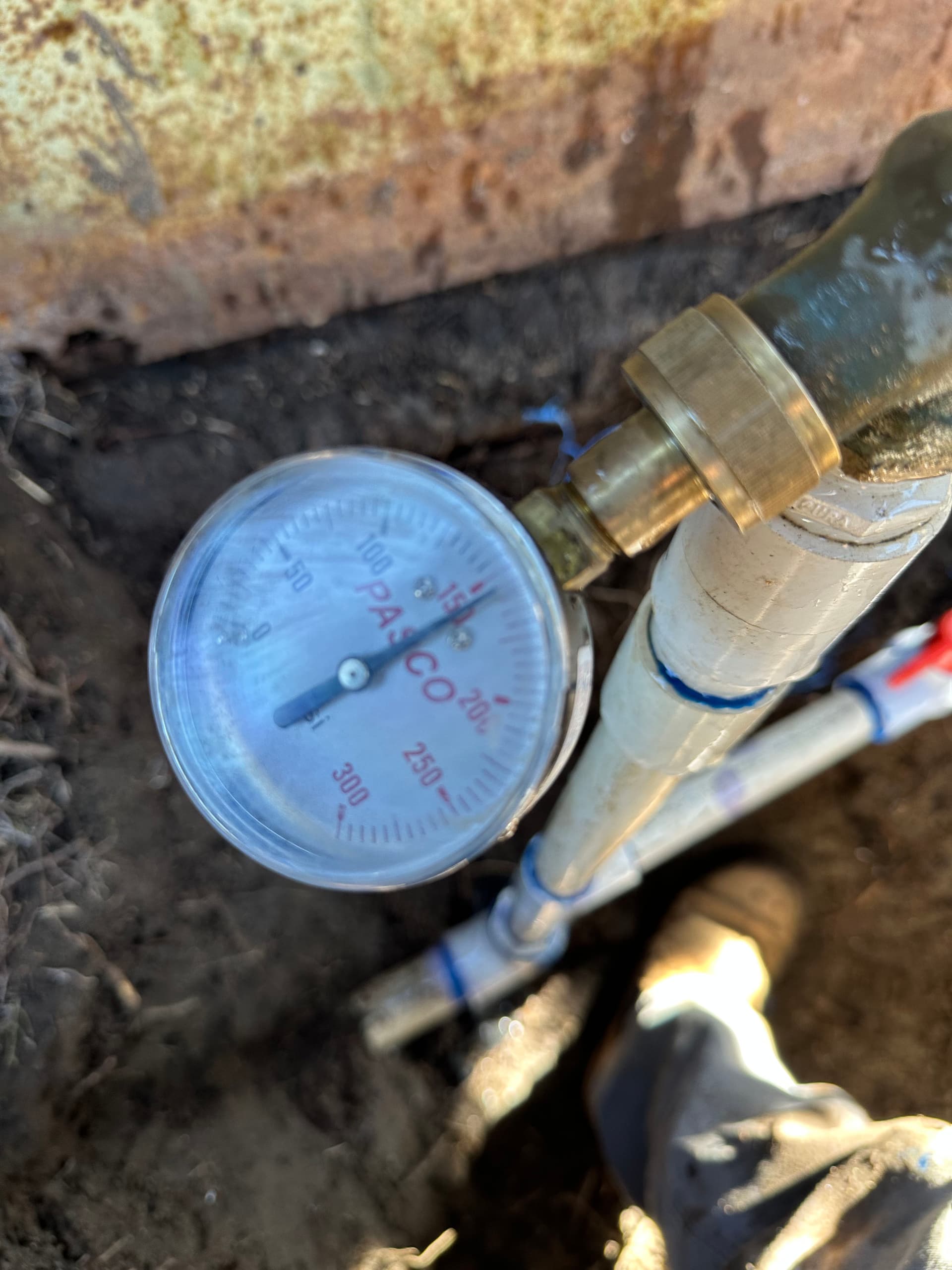
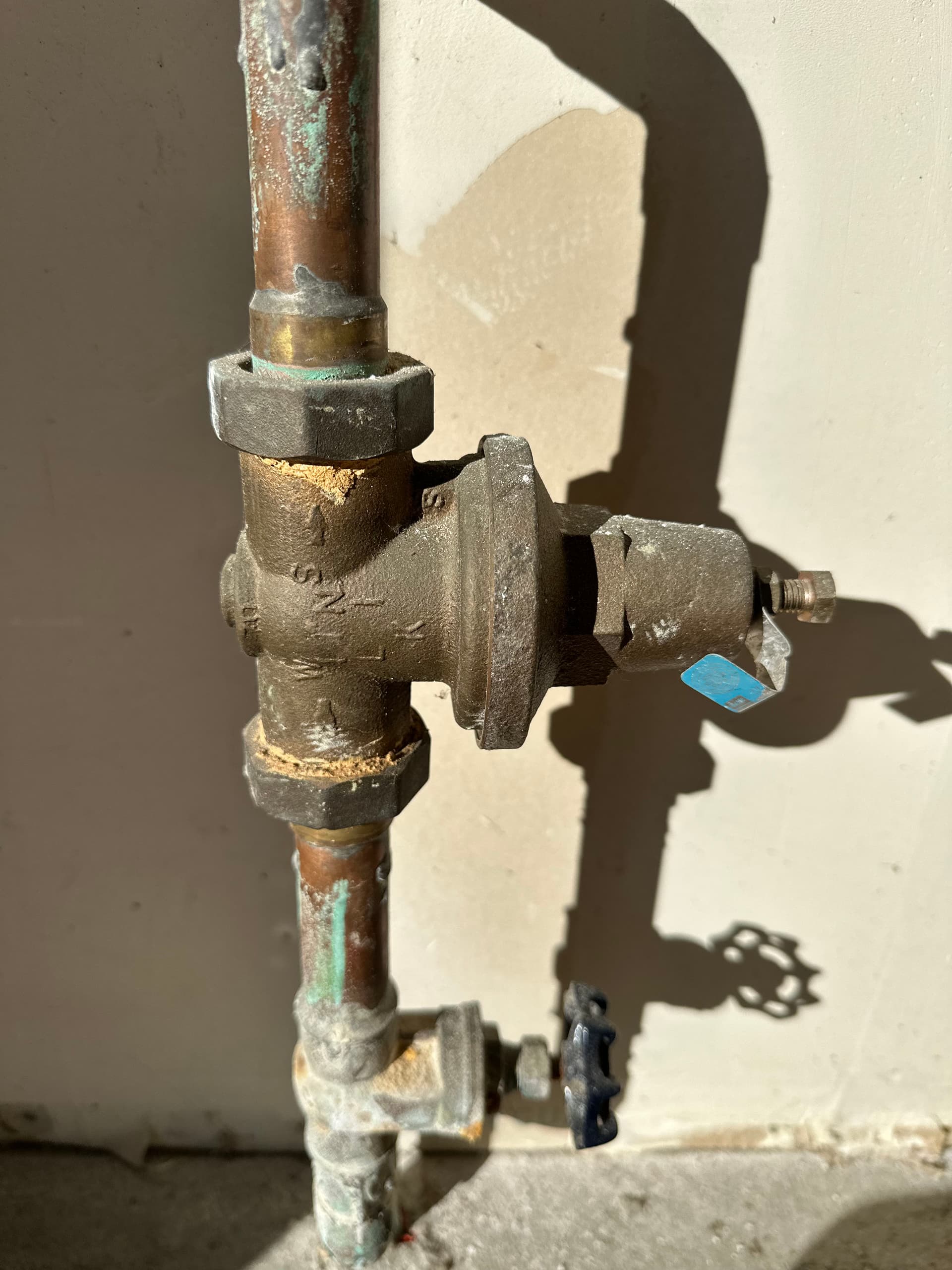
Most homeowners never think about water pressure - until something breaks. A running toilet that won't stop. A water heater that fails too soon. A faucet valve that keeps leaking. These aren't random problems. A lot of the time, they trace back to one thing: a pressure reducing valve, or PRV, that isn't doing its job.
The PRV sits on your main water line and controls how much pressure comes into your home. When it's working right, you never notice it. When it starts to fail, the pressure creeps up - and that extra force starts wearing on everything downstream. Your pipes, your toilet fill valves, your washing machine connections, your water heater. All of it takes a beating.
We check water pressure during plumbing repairs and inspections because it tells us a lot about what else might be going wrong. A pressure gauge attached directly to the line gives us a real reading - not a guess. If the numbers are too high, we know to look closer at the PRV. An old unit showing heavy corrosion and mineral buildup is a clear sign it's been struggling for a while.
The fix isn't complicated, but catching it matters. A failed PRV that goes unaddressed can shorten the life of your plumbing fixtures significantly and set you up for bigger repairs down the road. It's one of those things that's cheap to fix early and expensive to ignore.
If your water pressure feels unusually strong, or if you keep dealing with the same fixtures breaking down, it's worth having someone take a look at your PRV. That's exactly the kind of thing we check at sheldon plumbing - straightforward diagnostics that help you avoid bigger headaches later.